


Yoga, Teaching, Anatomy & the Nervous System
Yoga has so much to teach us. Here are a few things I’m particularly interested in and that I think you will benefit from knowing more about

Your Nervous System and Yoga: A Path to Balance and Healing
When the ancient yogis developed practices to calm the mind and energize the body, they didn't have MRI machines or knowledge of neurotransmitters.

Purusha and Prakriti: The Dance of Consciousness and Nature
In the hushed moments before your meditation begins or in the conscious breath that initiates your asana practice, you're participating in a cosmic dance that yogic philosophy calls the interplay of Purusha and Prakriti.
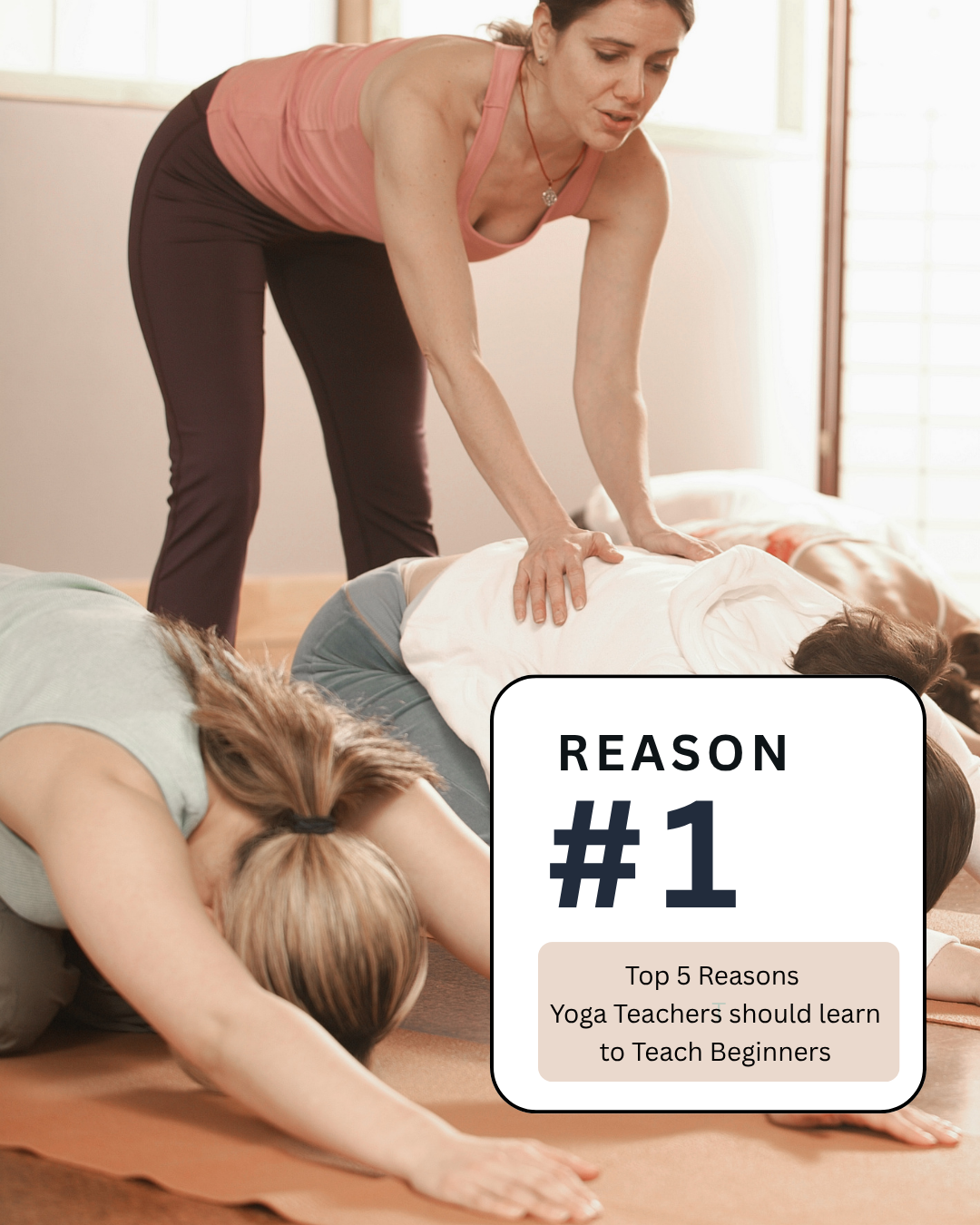
Top 5 reasons you should learn to teach beginners
Top 5 reasons to learn how to teach beginners. You’ll be surprised!

Beyond the Biomechanical Model: What the Science of Somatics Means for Your Yoga Teaching
You finished your yoga teacher training. You know your asana, your sequencing, your anatomy. You can cue a beautiful Warrior II and guide a room into Savasana with confidence. But then a student comes to you with chronic low back pain that never seems to resolve, no matter how consistently they practice. Another tells you they feel more wound up after class, not less. A third can’t seem to settle into stillness — their body stays braced, guarded, even in restorative poses. And somewhere in the back of your mind, a question starts forming: Is there something my training didn’t cover?
The answer, for most yoga teacher training programs, is yes. And it has to do with the nervous system.

Your Students Are Exhausted. Here’s What the Research Says About Why — and What They Actually Need.
Something has changed.
If you’ve been teaching yoga for any length of time, you’ve probably felt it. The people walking into your classes today are different from the people who showed up five or six years ago. They’re not coming in looking for a workout or a deeper backbend. They’re coming in overwhelmed, under-slept, and running on fumes. They’re restless and sad and worried. Some of them look like they’re barely holding it together. And many of them will tell you, if you ask, that they don’t even know where to start.
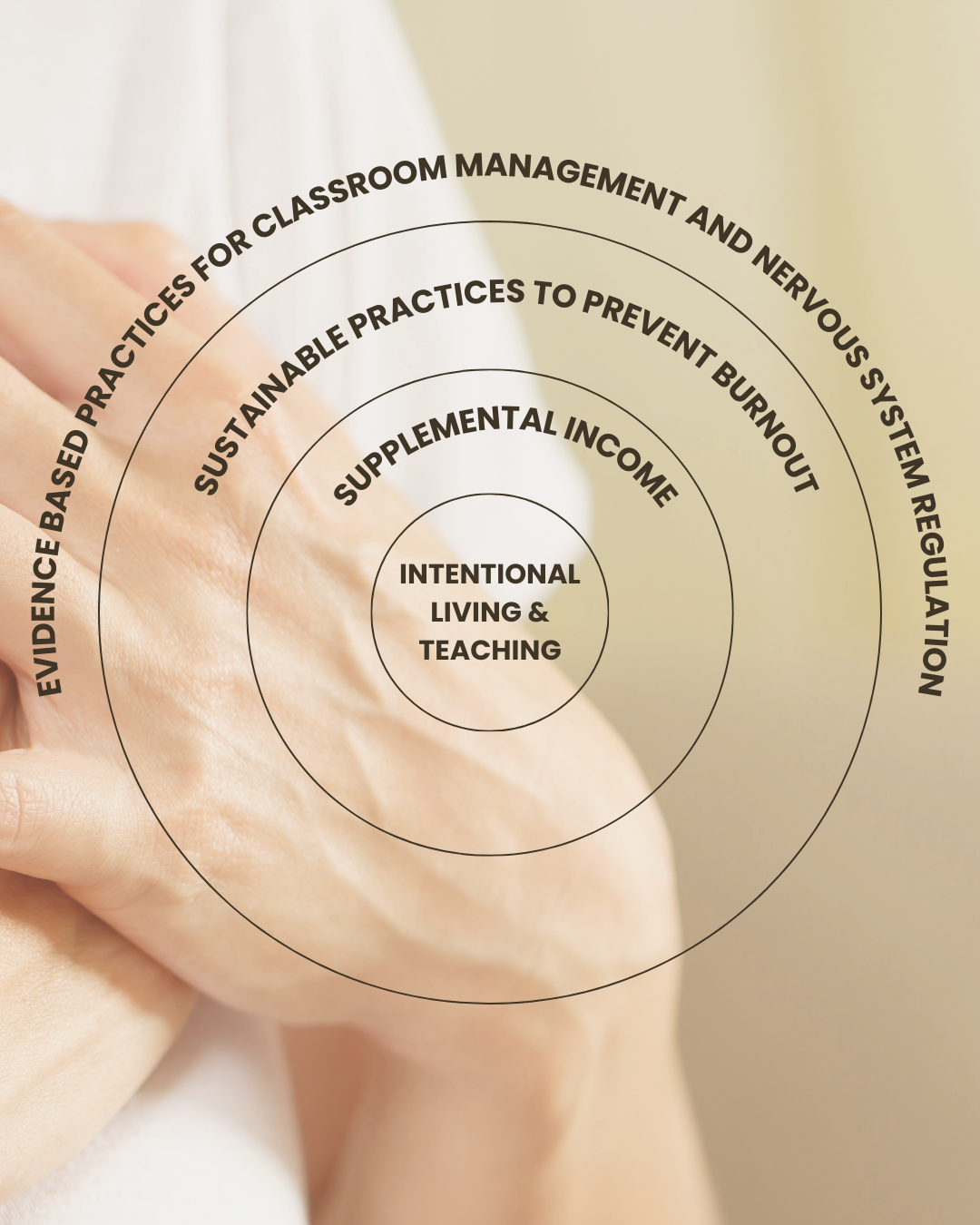
5 Ways Yoga Teacher Training Benefits Educators
Discover how yoga teacher training provides unique professional development for educators, from classroom management techniques to burnout prevention strategies.
Finding Clarity Through Yoga: Navigating Life Transitions
Discover how yoga teacher training provides structure, community, and purpose during major life transitions, offering new pathways whether or not you plan to teach.

What to Look for in a Yoga Teacher Training Program
How to evaluate a yoga teacher training: hours, curriculum, mentorship, cohort size, and what happens after you graduate. From a career educator who trains teachers.

Purusha and Prakriti: The Dance of Consciousness and Nature
In the hushed moments before your meditation begins or in the conscious breath that initiates your asana practice, you're participating in a cosmic dance that yogic philosophy calls the interplay of Purusha and Prakriti. These fundamental concepts from Samkhya philosophy—one of yoga's oldest philosophical systems—offer profound insights into our existence and provide a framework for understanding our yoga practice on a deeper level.

Your Nervous System and Yoga: A Path to Balance and Healing
When the ancient yogis developed practices to calm the mind and energize the body, they didn't have MRI machines or knowledge of neurotransmitters. Yet somehow, they created a sophisticated system that modern science now confirms directly influences our nervous system in profound and healing ways.

Beyond the Shape: Discovering the True Essence of Asana
The earliest yoga texts mention very few postures, primarily seated positions for meditation and pranayama. It wasn't until the medieval period and later that yoga began to incorporate more dynamic and varied postures—influenced by various factors including martial arts, gymnastics, and regional movement practices.